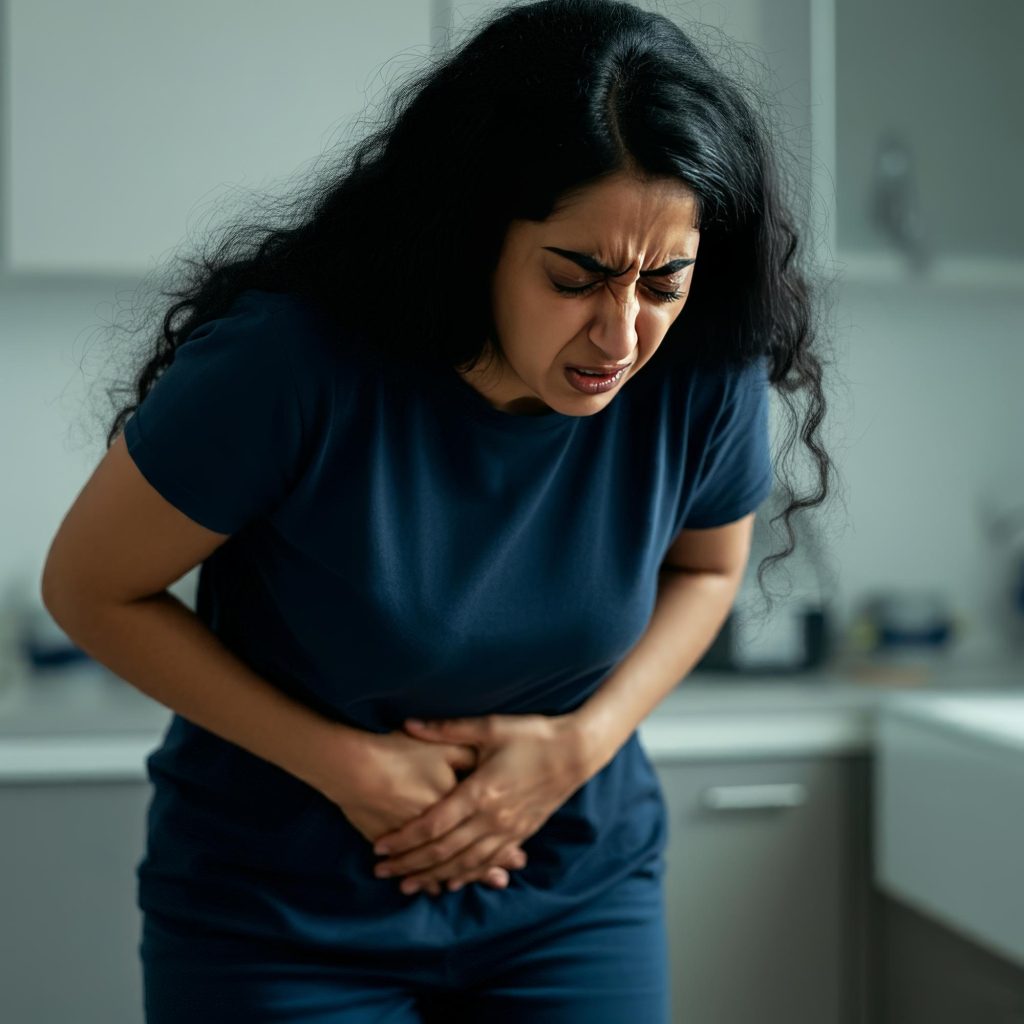
Fibroids and Ovarian Cysts: When Pelvic Pain Should Not Be Ignored?
A lot of women have discomfort or irregular periods at some point in their lives. Sometimes these symptoms are thought to be normal hormonal changes or stress. If the pain is constant or if you have heavy menstrual bleeding or discomfort in your abdomen, it could mean you have fibroids or ovarian cysts.
These conditions are pretty common in women, especially when they are having babies. Most of the time, these conditions can be. Treated.. It is very important to find out about them Fibroids and Ovarian Cysts early so that you do not have more problems later on and you can have a better life.

Understanding Fibroids
Fibroids are growths that’re not cancer, and they grow in or around the uterus. They can be very small or very big. Can even change the shape of the uterus.
Some women do not even know they have fibroids because they do not have any symptoms. For other women, fibroids can cause a lot of discomfort and can even change their menstrual cycle.
Some common symptoms of fibroids include:
- long menstrual bleeding
- Pain in the abdomen
- Needing to urinate
- Pain during physical activity or intercourse
- Discomfort in the back
If you have these symptoms, you should go see a gynecologist to get checked.
What Are Ovarian Cysts?
Ovarian cysts are like sacs filled with fluid that grow on the ovaries. Most of the time, they go away on their own after a while.Some cysts can get bigger and cause problems if you do not get them checked.
Most ovarian cysts are not harmful. Some of them need medical attention.
Some common signs of cysts include:
- Pain in the abdomen on one side
- Feeling bloated or full
- Irregular periods
- Pain during physical activity or intercourse

You should get regular check-ups with your gynecologist so that you can find out about any problems early.
Why Early Diagnosis Matters
A lot of times, these conditions are not treated because the symptoms are ignored or not understood. Many women think that heavy periods or pelvic discomfort are just normal.
If you have symptoms that do not go away, you should not ignore them. If you get diagnosed early, your doctor can give you the treatment before the condition gets worse and affects your daily life, your ability to have babies, or your overall health.
Diagnosis and Treatment Options
Nowadays, it is easier to diagnoseFibroids and Ovarian Cysts because of medical care. Doctors use tests like ultrasound scans, and they also do a clinical evaluation to see how big the growth is and where it is.
The treatment you get depends on how old you are, how bad your symptoms are, and if you want to have babies in the future.
Some treatment options include:
- Regular monitoring for small, symptom-free growths
- Taking medicine to manage symptoms
- Having an invasive procedure
- Having laparoscopic surgery to remove the fibroids or cysts if needed
Because of surgical methods, people can recover faster and get back to their normal lives sooner.
When Should You Consult a Gynecologist?
If you have any of these symptoms, you should go see a gynecologist:
- long menstrual cycles
- Constant pain in the lower abdomen
- Feeling bloated or uncomfortable in the abdomen
- Having trouble getting pregnant
- Changes in your cycle
If you see a gynecologist, they can help you figure out what is wrong and give you the right treatment.
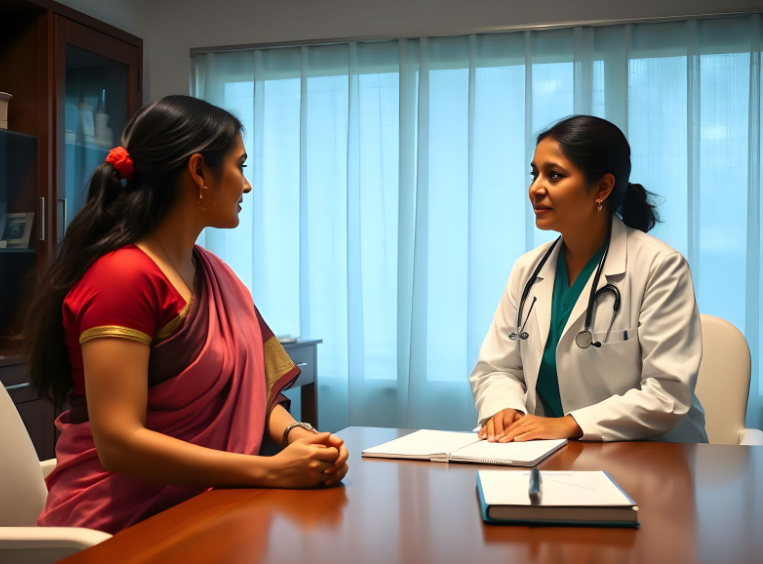
Fibroid and Ovarian Cyst Treatment in Guntur
If you live in or around Guntur and you have symptoms of Fibroids and Ovarian Cysts, you should not ignore them. You should see a specialist as soon as possible so that they can find out what is wrong before it gets worse.
At Sreshta Hospitals in Guntur, experienced gynecologists provide comprehensive care for women’s health conditions, including Fibroids and Ovarian Cysts. With modern diagnostic facilities and advanced treatment options, the focus remains on accurate diagnosis, personalized treatment, and faster recovery.
Seeking timely care not only helps manage symptoms effectively but also ensures long-term reproductive health and well-being.