A stroke emergency needs more than a quick response. It needs the right medical care at the right time.
When someone suddenly struggles to speak, cannot lift an arm or loses balance, the first thought is usually, “Get to a hospital immediately.” And that is exactly what needs to happen. But there is something most families may not have thought about.
What happens in those first few minutes after reaching the hospital?
Can doctors identify the problem quickly? Are brain scans available? Is the medical team prepared to make urgent treatment decisions? During a stroke, these questions matter. Because reaching a hospital quickly is important. But what happens next can also influence the patient’s care and recovery.
Why Is Stroke Considered a Medical Emergency?
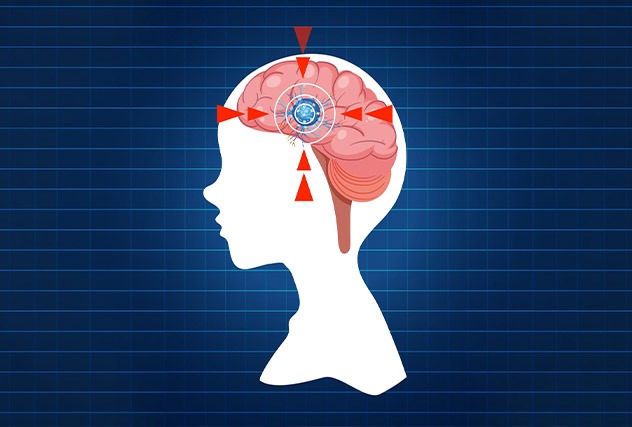
Our brain needs a continuous supply of blood and oxygen to function. A stroke happens when that blood supply is interrupted or when a blood vessel in the brain ruptures.
There are two major types:
● Ischaemic stroke: A blood clot blocks blood flow to part of the brain.
● Haemorrhagic stroke: A blood vessel ruptures, causing bleeding in or around the brain.
Both require immediate medical attention, but their treatments are different. This is why doctors cannot simply give the same medicine to every stroke patient. They first need to understand what is happening inside the brain.
During a stroke, every minute matters. But the right diagnosis matters just as much.
What Happens in the First Few Minutes at a Stroke-Ready Hospital?
A hospital prepared to assess stroke emergencies needs more than medical equipment. It needs trained professionals, diagnostic facilities, and coordination between departments. Here’s what generally happens when a patient arrives with suspected stroke symptoms.
1. First, Doctors Check the Warning Signs
The emergency team assesses the patient’s condition, including speech, movement, consciousness, blood pressure, and blood glucose. One of the most important questions doctors ask is: “When was the patient last completely normal?” This information helps determine which treatments may be suitable. If the person woke up with symptoms, the family should tell doctors when they were last seen well, rather than assuming the stroke began when they woke up.
2. A Brain Scan Helps Doctors Understand the Problem
Stroke symptoms alone cannot reliably tell doctors whether a blood vessel is blocked or bleeding. A CT scan or MRI helps identify the type of stroke and guide further treatment decisions. This matters because certain medicines used for clot-related strokes can be dangerous if the patient has bleeding in the brain.
3. The Medical Team Decides the Next Step
Once the doctors understand the patient’s condition, they assess the available treatment options. Some patients with clot-related strokes may be eligible for medicines that dissolve blood clots, called thrombolysis. Others with certain large blood vessel blockages may benefit from a procedure called mechanical thrombectomy, which removes the clot. However, these treatments are not suitable for everyone. The decision depends on the type of stroke, brain imaging, time since symptoms began, and the patient’s medical condition.
4. Care Continues Beyond the Emergency
Stroke treatment does not always end after the immediate emergency. Some patients may need intensive monitoring, physiotherapy, speech therapy, swallowing assessment, or other rehabilitation services. Recovery is different for every person. Early assessment and an appropriate rehabilitation plan can help patients work towards regaining their abilities.
What Does Stroke-Ready Care Mean at Sreshta Hospitals, Guntur?
For families in Guntur, understanding the stroke-care facilities available nearby is an important part of emergency preparedness. Sreshta Hospitals provides 24/7 emergency services and has neurological care, neurosurgical services, CT and MRI imaging, and critical care facilities. The hospital’s Neurology Department also lists acute stroke treatments, including thrombolysis and thrombectomy, along with stroke rehabilitation services. These facilities support the assessment and management of patients with suspected stroke. The appropriate treatment for each patient depends on medical evaluation, clinical eligibility, and the availability of the required care at the time of the emergency.
Three Things Families Should Know Before a Stroke Emergency
Nobody expects a stroke to happen. But knowing a few things in advance can help families respond without unnecessary confusion.
1. Know the warning signs.
Remember B.E. F.A.S.T.
● B – Balance: Sudden loss of balance.
● E – Eyes: Sudden vision changes.
● F – Face: One side of the face droops.
● A – Arms: Sudden weakness in an arm.
● S – Speech: Slurred or difficult speech.
● T – Time: Call emergency services immediately.
Even one sudden symptom may indicate a stroke.
2. Know how to get emergency help.
Keep emergency contact numbers accessible. In India, call 112 or 108 where available. If stroke symptoms occur, do not delay medical care to compare hospitals. Follow the ambulance team’s guidance to reach an appropriate stroke-care facility.
3. Know what information doctors may need.
Try to remember when the person was last well, what symptoms appeared first, and which medicines they take. Do not give food, water, aspirin, or other medicines unless instructed by a medical professional. These simple precautions can help the emergency team assess the situation.
One Question Worth Asking Today
We often plan regular health check-ups, choose doctors for routine consultations, and keep medicines at home. But how many of us know where to seek help during a stroke? Knowing which hospitals in your area can assess suspected strokes, provide emergency brain imaging, and arrange appropriate specialist care is worth understanding before an emergency happens. Because when someone suddenly loses the ability to speak or move, that is not the time to start searching for answers.
The Right Response Begins Before the Emergency
A stroke can happen without warning. We cannot always prevent it. But we can learn to recognise its symptoms, understand the importance of timely medical care and become better prepared to respond. Hospitals have a responsibility to maintain appropriate emergency systems. Families have an opportunity to learn the warning signs and know how to seek help. Both are important.
When a stroke happens, time matters. Preparedness matters too.
Medical Disclaimer: This article is intended for general health education and awareness. It does not replace professional medical advice, diagnosis or treatment. Stroke symptoms require immediate emergency medical attention.
[Read More: Where Can I Find 24/7 Emergency Medical Care in Guntur?]