World Stroke Day 2026 | Every Minute Counts
We all know that time is valuable. But during a stroke, even a few minutes can make a difference. Many people have heard of stroke, but not everyone knows how to recognise it. Can sudden difficulty speaking be a warning sign? What about weakness in one arm, an uneven smile or unexpected loss of balance? These are important things to understand because a stroke does not always cause someone to collapse or lose consciousness. Sometimes, the first signs are small changes that can easily be overlooked. This World Stroke Day, October 29, the 2026 campaign theme, “Every M1nute Counts,” reminds us that every moment matters. Recognising stroke symptoms, understanding the Golden Hour of Stroke, and seeking emergency medical care without delay can make a critical difference. Act fast. Every minute counts.
What Is the Golden Hour in Stroke?
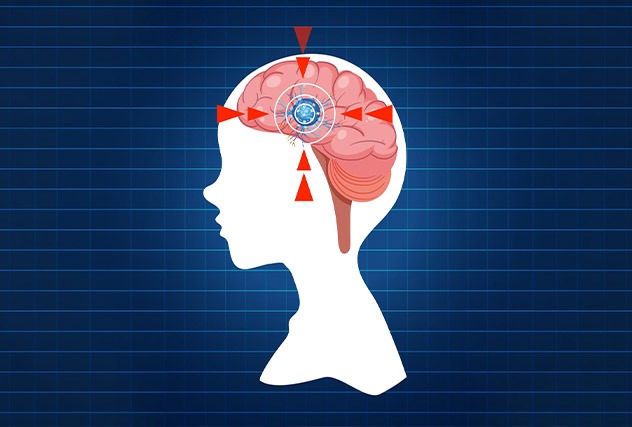
Our brain needs a continuous supply of blood and oxygen to function properly. A stroke occurs when blood flow to part of the brain is blocked or when a blood vessel in the brain bursts. When this happens, brain tissue can begin to suffer damage within minutes, affecting functions such as speech, movement, vision and balance. The Golden Hour highlights the importance of seeking medical attention as early as possible after stroke symptoms begin.Understanding the Golden Hour of Stroke highlights the importance of seeking medical attention as early as possible after stroke symptoms begin. It is important to understand that the Golden Hour is not a strict 60-minute treatment deadline. Certain treatments for clot-related strokes may be considered within several hours, depending on medical assessment and brain imaging. For example, some eligible patients may receive clot-dissolving medicines within approximately 4.5 hours. Others may qualify for procedures to remove a clot later. However, these treatment windows are not reasons to wait.
The sooner a person reaches emergency medical care, the sooner doctors can assess the type of stroke and possible treatment options.
How Can You Recognise a Stroke? Remember B.E. F.A.S.T.
Recognising the warning signs is one of the most useful things anyone can learn.
Remember B.E. F.A.S.T.
● B – Balance: Sudden difficulty walking, dizziness or loss of balance.
● E – Eyes: Sudden blurred vision, double vision or loss of sight.
● F – Face: One side of the face droops or the smile becomes uneven.
● A – Arms: Sudden weakness or numbness in one arm.
● S – Speech: Sudden difficulty speaking, slurred words or trouble understanding speech.
● T – Time: Call emergency medical services immediately.
A sudden, unusually severe headache without an obvious cause can also be a warning sign.
A person does not need to experience all these symptoms. Even one sudden warning sign can indicate a stroke.
Do not wait for additional symptoms before seeking emergency help.
What Should You Do During the Golden Hour?
Recognising stroke symptoms is only the first step. Knowing how to respond can help avoid unnecessary delays.
1. Call an ambulance immediately.
Dial 108 or contact an available local ambulance service. Explain that the person is showing possible stroke symptoms.
2. Remember when the symptoms began.
Note the time symptoms first appeared or when the person was last seen behaving normally. This information can help doctors make treatment decisions.
3. Keep the person safe and comfortable.
Avoid unnecessary movement and follow the emergency team’s instructions while waiting for help.
4. Do not give food, water or medicines.
Stroke can affect swallowing, increasing the risk of choking. Do not give aspirin or other oral medicines unless directed by a medical professional, as some strokes involve bleeding.
5. Never wait for symptoms to disappear.
Sometimes, stroke-like symptoms improve within minutes. This may be a transient ischaemic attack (TIA), sometimes called a mini-stroke. A TIA can be a warning of a future stroke. Even if symptoms disappear completely, emergency medical assessment is necessary.
What Happens After Reaching the Hospital?
Once a person reaches the hospital, doctors need to identify the type of stroke. Some strokes are caused by a blood clot blocking an artery. Others happen when a blood vessel ruptures and causes bleeding in the brain. Doctors may use a CT scan or MRI to understand what is happening. Treatment depends on the type of stroke, the person’s medical condition and how much time has passed since symptoms began. This is why reaching appropriate emergency medical care quickly is important. It allows the medical team to assess the condition and consider suitable treatment options without unnecessary delay.
Can You Reduce Your Risk of Stroke?
Although not every stroke can be prevented, many risk factors can be managed. High blood pressure is one of the most important risk factors. It often develops without noticeable symptoms, making regular blood pressure checks valuable. Diabetes, high cholesterol, smoking, certain heart conditions and physical inactivity can also increase stroke risk. Staying physically active, eating a balanced diet, avoiding tobacco and following prescribed treatment for existing medical conditions can help reduce the risk. Stroke is more common among older adults, but younger people can also be affected. Understanding personal risk factors is important at every age.
World Stroke Day 2026: Every Minute Counts
Observed every year on October 29, World Stroke Day encourages people to understand stroke, recognise its warning signs and seek timely medical attention. The 2026 campaign theme, “Every Minute Counts,” highlights the importance of The Golden Hour of Stroke and the need to act quickly when symptoms appear. But stroke awareness should not end with reading an article or sharing a social media post. Take a few minutes to learn B.E. F.A.S.T. Discuss the warning signs with people around you. Make sure you know how to contact emergency services. These are small steps, but they can help people respond more confidently and appropriately when an emergency occurs.
This World Stroke Day, share something more valuable than a greeting. Share the knowledge that helps people recognise a stroke and act in time. Learn the signs. Act without delay. Every Minute Counts.
Medical disclaimer: This article is intended for public health education and does not replace professional medical advice, diagnosis or emergency treatment. If stroke-like symptoms occur, seek immediate emergency medical assistance.
[Read More: Brain Stroke Warning Signs You Should Never Ignore | Sreshta Hospitals]